
PrimeCell Regenerative · Orlando
Regenerative Pain Management in Orlando
Pain may arise from a joint, tendon, ligament, muscle, spinal structure, or nerve—and many patients have more than one contributor. PrimeCell combines pain medicine, rehabilitation, musculoskeletal evaluation, image-guided procedures, and regenerative treatment planning to create an individualized path forward.
More Than a Single Injection
Regenerative pain management combines musculoskeletal medicine, pain medicine, rehabilitation, diagnostic imaging, and biologically oriented procedures. The objective is not simply to cover up discomfort or sell a predetermined product.
Treatment begins by identifying the structures and mechanisms contributing to pain, then selecting conventional, rehabilitative, interventional, or regenerative options that fit the patient’s diagnosis, health, and goals.
Condition-Specific Pathways
Joint Pain
Evaluation and treatment planning for osteoarthritis, cartilage degeneration, persistent inflammation, and joint-related mobility limitations.
Back and Neck Pain
Evaluation of facet joints, sacroiliac joints, discs, muscles, ligaments, and nerve-related contributors to persistent spinal pain.
Tendon and Ligament Injuries
Diagnostic ultrasound, rehabilitation planning, and image-guided options for chronic tendinopathy, partial tears, and selected ligament injuries.
Nerve-Related Pain
Evaluation of peripheral nerve irritation, entrapment, neuropathy, radicular symptoms, and other neurological contributors to pain.
Why Diagnosis Comes First
A patient with knee pain may have arthritis, tendon dysfunction, a meniscus condition, nerve irritation, referred hip pain, or several problems at once. An MRI showing degeneration does not prove that the finding is causing the symptoms.
A comprehensive evaluation may include:
- Review of the medical history and symptom pattern
- Musculoskeletal and neurological examination
- Assessment of strength, sensation, mobility, stability, gait, and balance
- Review of X-rays, MRI studies, or previous testing
- Diagnostic musculoskeletal ultrasound when appropriate
- Electrodiagnostic testing or selected diagnostic procedures when indicated
- Review of previous treatments and their effects
Potential Treatment Options
Platelet-Rich Plasma (PRP)
Start With an Individualized Evaluation
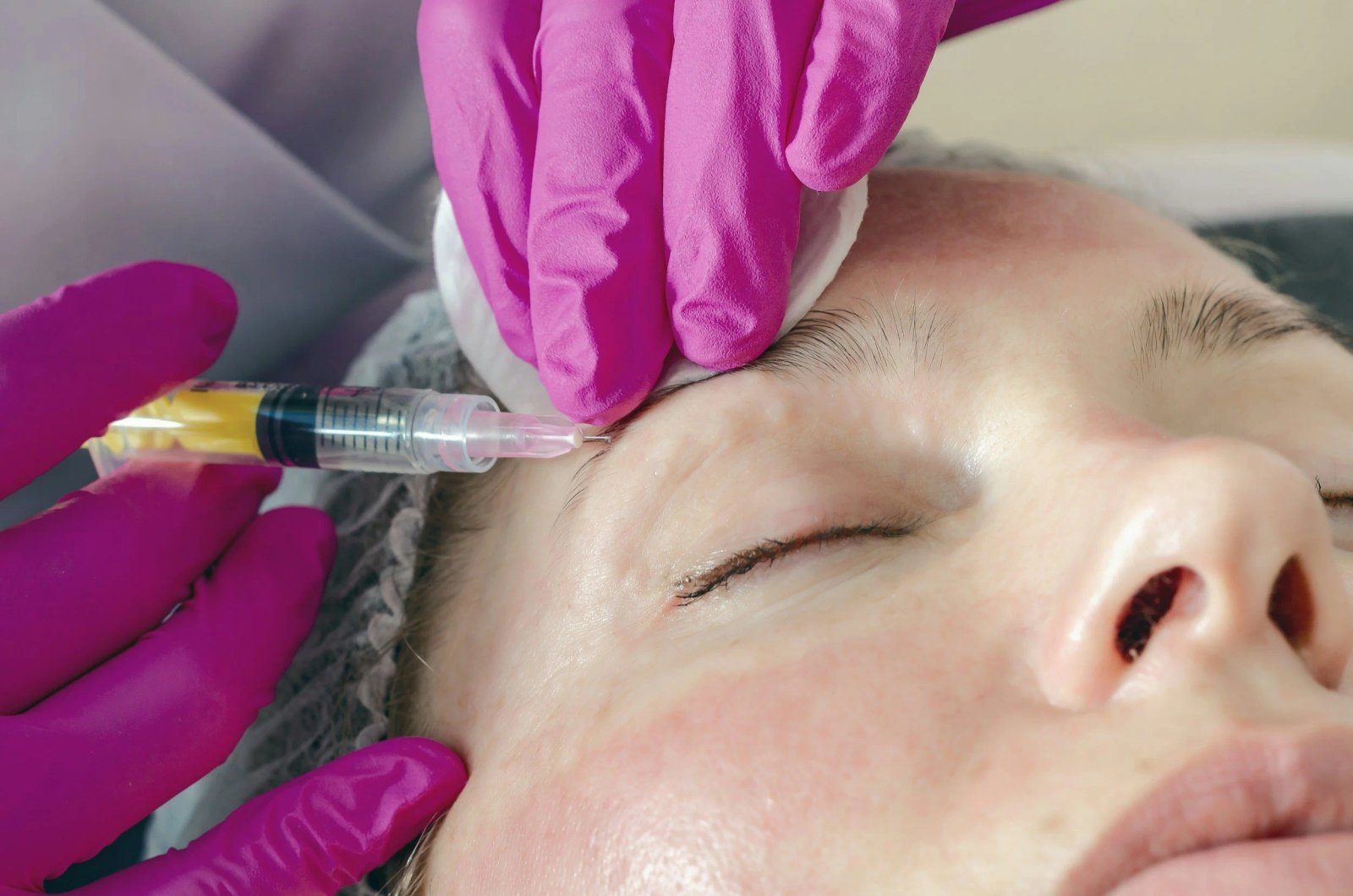
PRP is prepared from the patient’s own blood and contains concentrated platelets and signaling proteins involved in healing. It may be considered for selected joint, tendon, or ligament conditions.
Platelet-Rich Fibrin (PRF)
PRF is another autologous preparation with different processing and biological characteristics.
Prolotherapy and Other Orthobiologics
Depending on the diagnosis, other procedures may be used to influence the local tissue environment or support a structured rehabilitation plan.
Cellular, tissue-derived, or exosome products have different compositions, regulatory classifications, and levels of supporting evidence. Exosome products are not FDA-approved, and stem cell, Wharton’s Jelly, umbilical-cord-derived, and related products are not FDA-approved for orthopedic or chronic-pain conditions.
The Best Plan May Combine Several Approaches
Regenerative medicine should not automatically replace established care. The plan should match the diagnosis, functional goals, and level of supporting evidence, and may include:
- Physical therapy and therapeutic exercise
- Strength, mobility, balance, and movement training
- Activity modification and weight-management support
- Medication review and established pain treatments
- Bracing or supportive devices
- Trigger-point, joint, nerve, or spinal procedures
- Orthobiologic or regenerative procedures
- Neuromodulation or surgical consultation when appropriate
- Nutrition, sleep, metabolic, and lifestyle optimization
Set Goals With Clear Expectations
Potential Goals
Goals may include reducing pain and stiffness, improving mobility and function, increasing tolerance for rehabilitation, helping a patient return to meaningful activities, and delaying more invasive care when clinically appropriate.
Important Limitations
Regenerative procedures are not proven cures for chronic pain. Results cannot be guaranteed. Pain may arise from several structures or mechanisms, protocols are not universally standardized, advanced structural damage may respond less favorably, and rehabilitation may still be necessary.
Who May Be a Candidate?
A consultation may be appropriate for patients with persistent musculoskeletal or nerve-related pain who continue to experience symptoms despite conservative care, want to explore non-surgical or minimally invasive options, and have realistic expectations regarding gradual and potentially incomplete improvement.
Physician-Led, Individualized Pain Care
PrimeCell is led by a physician who is board-certified in Physical Medicine and Rehabilitation and Pain Medicine. This background supports the evaluation of pain from musculoskeletal, neurological, functional, and interventional perspectives. Our goal is to help patients understand their diagnosis, available options, limitations, potential benefits, risks, and alternatives so they can make decisions thoughtfully and confidently.
Regenerative medicine treatments involving stem cells, exosomes, Wharton’s Jelly, umbilical-cord-derived products, or other human cellular and tissue-based products may be investigational for orthopedic, neurological, spinal, and pain-related applications and may not be approved by the U.S. FDA for these uses. No representation or guarantee is made regarding individual outcomes. Potential benefits, risks, alternatives, product sourcing, regulatory status, evidence, and financial responsibilities should be reviewed during an individualized medical consultation.
Start With an Individualized Evaluation
Persistent pain can affect movement, sleep, work, and quality of life. A comprehensive evaluation may identify overlooked contributors and clarify which options deserve consideration.